Poverty, Equal Opportunity and Healthy Neighbourhoods
Groningen is a municipality of city and villages, with significant differences between people and areas. Many residents manage well, but not everyone does. In recent years, poverty has increased and become more visible, especially in parts of the city and in vulnerable neighbourhoods. Families face difficult choices. Children begin school with disadvantages. What is self-evident for one person is not for another.
The Partij vóór het Noorden chooses a municipality that starts from absolute equality. Inequality is therefore unacceptable to us. Everyone must be able to participate, regardless of income, background, postcode, or identity. This requires policy that does not look away, but provides practical help in daily life. Not symbolic politics, but measures that are tangible: at school, in the neighbourhood, and at the kitchen table. We work from the principle that support must be easily accessible and that children must never pay the price for financial stress at home.
Poverty affects more than income. It influences health, safety, and liveability in neighbourhoods. Where problems accumulate, feelings of insecurity increase and people lose oversight more quickly. Growing homelessness is one example, requiring additional attention. We address this with an eye for the people behind the problems, but also with clear boundaries where behaviour harms others. In this way, the municipality remains principled in equal treatment while pursuing solutions that work.
What does the Partij vóór het Noorden want?
01 – Clear and rapid poverty support
Residents facing financial difficulties must quickly understand what support they are entitled to. Applications must become simpler, and assistance should be granted automatically wherever possible.
02 – Full participation at school without barriers
Children must be able to participate fully at school. The municipality should support schools with school meals, swimming lessons, learning materials, and activities such as school trips.
Parents should not have to apply separately each time, and children participate without stigma.
Zie tevens ons hoofdstuk over onderwijs.
03 – One point of contact for families
Families facing multiple problems will receive one fixed contact person. This person works with the family to determine what is needed and coordinates with schools, care providers, and neighbourhood teams. This is practical and prevents people from having to repeat their story.
04 – Support for the rainbow community
We actively promote equal treatment and protection of the rainbow community. Discrimination and exclusion are addressed through clear reporting channels and swift follow-up.
Specific measures include affordable psychosocial and medical support, safe meeting spaces for young people and adults, and structural cooperation with local organisations such as COC.
05 – Prevention instead of repair afterwards
The municipality must invest in early detection through schools, general practitioners, and neighbourhood teams. Problems are identified earlier, preventing the need for more intensive support later. This requires strong cooperation and clear agreements on privacy and information sharing.
06 – Healthy and safe neighbourhoods
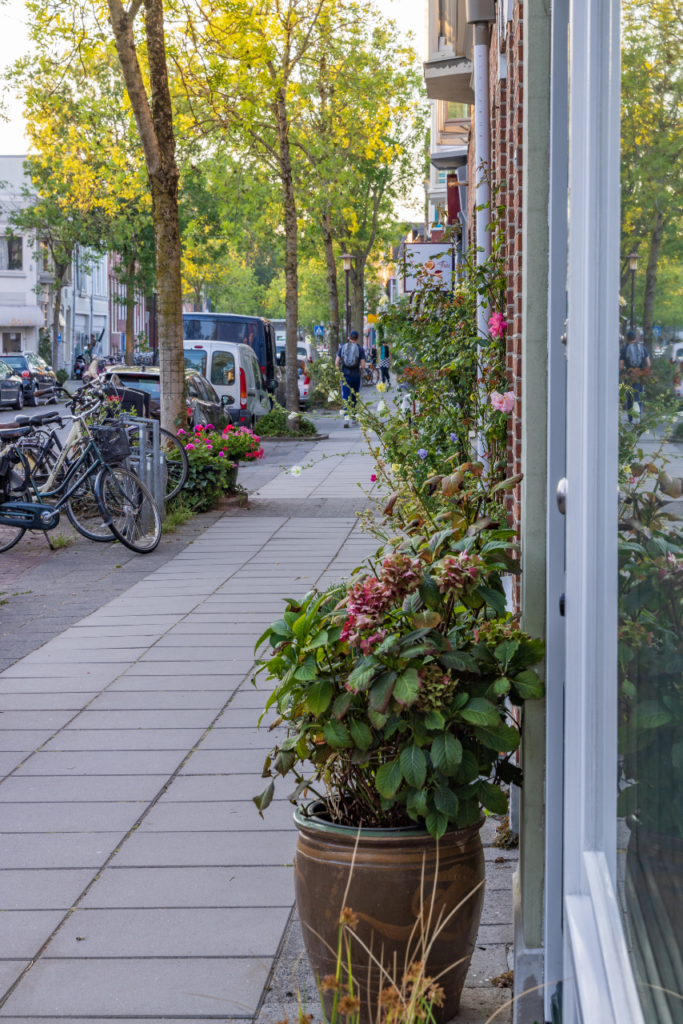
The municipality will invest in neighbourhoods where health and quality of life are under pressure. We do this by adding more green space, clean play areas, and accessible local facilities, in cooperation with residents.
When reports and ideas are visibly acted upon and feedback is provided, streets and neighbourhoods become more pleasant places to live and move.
07 – Tackling homelessness with perspective
We address homelessness in a humane and effective manner. We focus on stable shelter and guidance towards housing, care, and employment. This helps people move forward and simultaneously improves liveability in neighbourhoods and the city centre.
08 – Accessible sport and physical activity
Sport and physical activity must remain accessible to residents with low incomes. The municipality should support clubs and low-threshold facilities in neighbourhoods and villages. Healthy living should not be a luxury, but something everyone can take part in.
09 – Neighbourhood-based approach with attention to individuals
In our neighbourhoods, one approach does not fit all. Professionals must have the space to assess each situation individually and determine what truly helps. This allows for tailored solutions aligned with residents’ needs, within clear frameworks and with transparent accountability. Trust in those doing the work is central.
10 – Broad involvement of residents in neighbourhood decisions
Residents will be involved at an early stage in plans for neighbourhoods and facilities. The municipality will be clear about what is and is not possible and will visibly weigh input in its decisions. If residents clearly and broadly indicate that a plan is undesirable, the municipality must accept that. The plan will be adjusted or discontinued, with clear feedback on the considerations involved.
Want to know more?
Those who can participate and feel supported are stronger in daily life. Read on to see how we invest in welfare, sport, and physical activity as a foundation for health, social connection, and resilience in the city and villages.