Safety

Groningen is a large municipality with a vibrant city and quiet villages. People live, work, study, and go out in very different environments. Safety affects everyone, though not in the same way everywhere. On the street, at home, in nightlife areas, or around shops, hospitals, and cafés: residents must be able to move freely and know that help is nearby when needed.

That safety is under pressure. Petty crime remains persistent, nightlife violence and street harassment are increasing, and domestic violence behind closed doors is often detected too late. At the same time, police capacity is limited and not always deployable where residents need it most. Reduced visibility and longer response times are felt directly in daily life.

We therefore choose an approach that is visible and reliable. This means identifying problems early, acting clearly when boundaries are crossed, and organising support quickly for those who need it. We do this together with residents, entrepreneurs, care services, and enforcement. Safety is not abstract policy; it is something you notice in your street, on the square, and in the village.
What does the Partij vóór het Noorden want?

01 – Greater visibility in neighbourhoods and villages

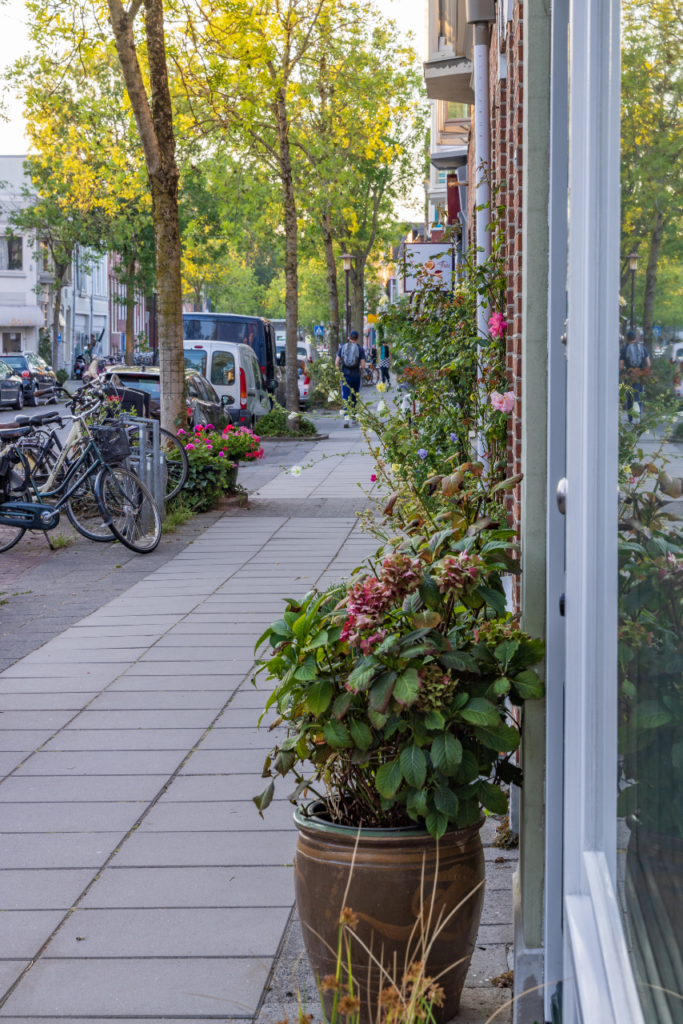
We will strengthen the presence of municipal enforcement officers and neighbourhood-based supervision teams. They will be recognisably present and familiar with both their area and its residents. The village and neighbourhood police officer will once again have a central and visible role.

02 – Targeted lobbying for police capacity

We want the municipality to lobby structurally in The Hague for sufficient local police deployment. We maintain the principle that Groningen officers should primarily be available for Groningen. Too often, officers from Groningen are required to travel to the Randstad due to shortages there.

03 – Safety hubs close to residents

In neighbourhoods and villages, we will establish accessible safety hubs where enforcement, neighbourhood teams, and partners work together. The village and neighbourhood police officer should play a central role in these hubs, and where necessary return to that position.

04 – Faster detection of domestic violence

We aim to improve early detection by strengthening cooperation between the municipality, police, healthcare, and education. Reports must be handled and followed up more quickly. Together with partner organisations, the municipality will develop a coherent approach to preventing serious violence in dependent relationships, including femicide. femicide.

Protection of victims comes first, with rapid intervention and proper alignment with shelter and care services. We explicitly commit to sufficient capacity and accessibility of women’s shelters, so that victims can always find safety.

05 – Safer nightlife in the city centre

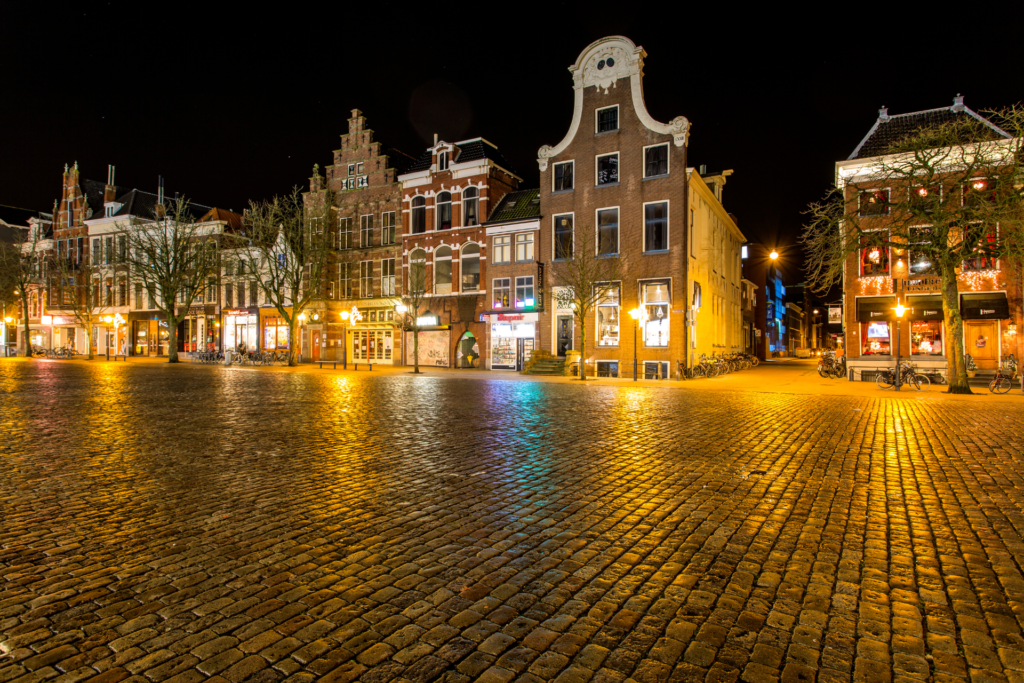
We want the municipality to make agreements with hospitality venues, police, and enforcement regarding supervision, closing times, and compliance. In nightlife areas, we will establish one or more recognisable safespaces: locations where visitors can seek help easily in cases of intimidation, fear, or escalating situations. Visible supervision, trained staff, and clear rules will ensure that people receive assistance more quickly and feel safer when going out. safespaces in: plekken waar bezoekers laagdrempelig terechtkunnen bij intimidatie, angst of dreigende escalatie. Zichtbaar toezicht, getrainde medewerkers en duidelijke regels zorgen ervoor dat mensen sneller hulp krijgen en zich veiliger voelen tijdens het uitgaan.

06 – Careful use of camera surveillance

Camera surveillance will only be used where it demonstrably contributes to safety, particularly in the city centre. We will regularly evaluate effectiveness and proportionality and clearly inform residents about its use and results.

07 – Targeted approach to bicycle theft

Groningen is the cycling capital of the Netherlands, yet dozens of bicycles are stolen every day. We want the municipality to develop a dedicated strategy against bicycle theft, focusing on hotspots, improved storage facilities, and cooperation with the police. Prevention will also be strengthened through awareness campaigns and promotion of secure bicycle use.

08 – Safety close to young people

Young people should not encounter the police only in times of trouble, but also as trusted figures in their neighbourhood. We therefore support initiatives in which police actively participate in sports and recreational activities with young people, such as football programmes. This strengthens mutual trust and helps reduce youth crime.

09 – Prevention and support regarding drug use

We focus on information and accessible support to prevent problematic drug use. At the same time, we work with partners to combat drug-related crime and organised criminal influence, including in rural areas.

10 – Clear rules for coffeeshops

Within the legal framework, we support a clearly regulated number of coffeeshops. We want clarity for users, owners, and local residents. We do not support the so-called “phase-out” policy that the municipality has adhered to for decades.

11 – Involving residents in safety

Residents should be involved at an early stage in safety plans for their neighbourhood or village. Signals must be taken seriously and followed up with feedback. In this way, participation is not a formality but a means to improve policy.

Want to know more?

Safety does not stand alone; it is connected to opportunity, health, and security of livelihood.
Read on to see how we address inequality and invest in strong, healthy neighbourhoods where everyone can participate.

Scroll to Top